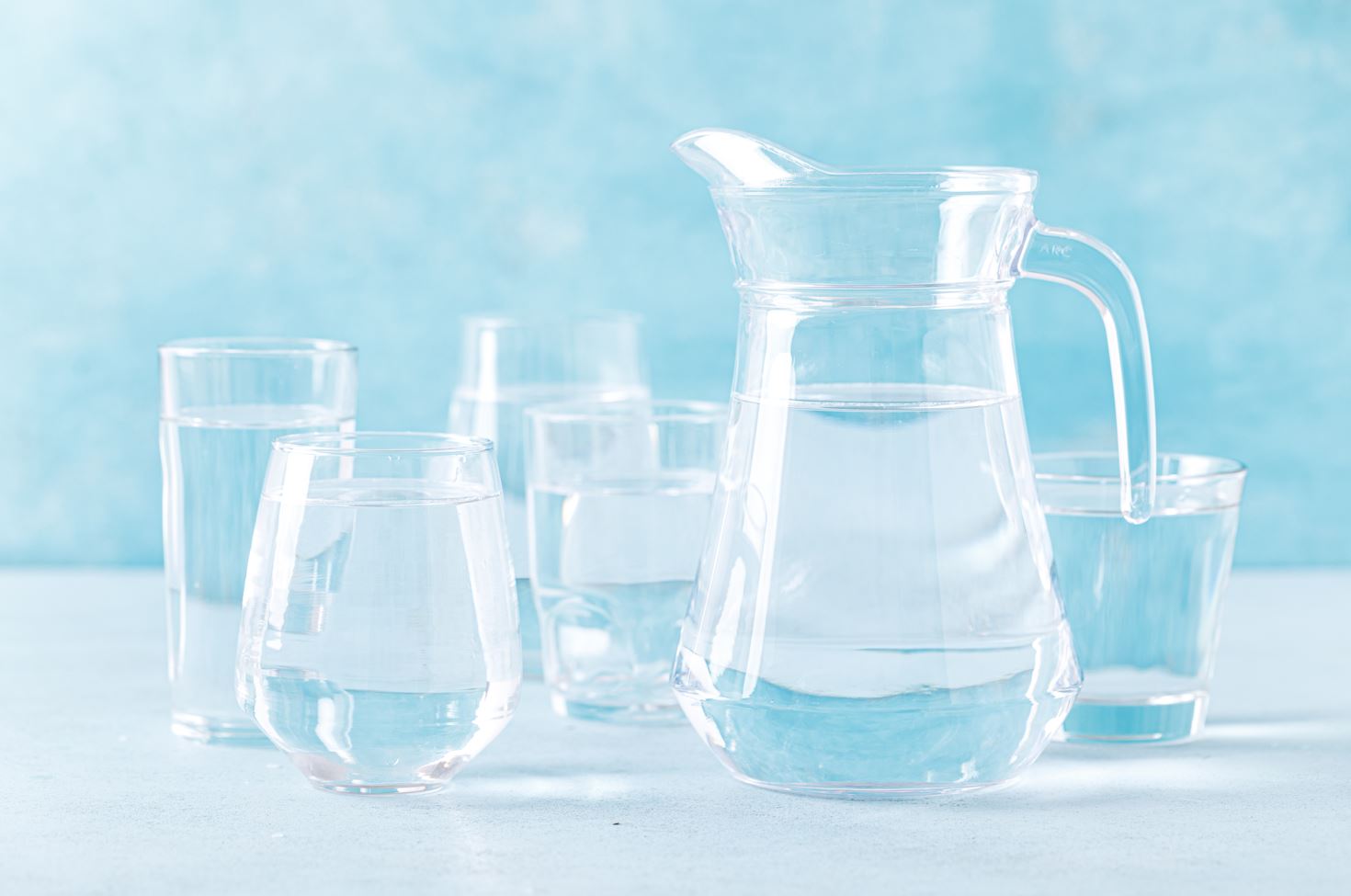
How important is staying hydrated for your eye health?
What is the eye’s tear film made of?
We all know that drinking water and keeping hydrated is essential in order to stay healthy, but do you know how much being well hydrated can affect your eye health? For our eyes to stay healthy and feel comfortable, they need to be well hydrated with a good balance of tear film. Your eyes’ tear film has three different components – a watery layer, an oily layer, and a mucus layer. The key component of the tear film is the aqueous layer which is composed of water, meaning that if you’re not drinking enough water to stay hydrated, your tear film won’t be balanced. In order to be free from symptoms of dry eye disease, the three parts of your tear film need to be balanced in relation to each other. A deficiency in any one of the components can lead to various symptoms, which we’ll discuss later, however dehydration in particular leads to a lack of the aqueous (watery) layer.
Why do our eyes need water?
The human body is 70% water, so it’s clear to see that all of our organ function relies heavily on a healthy intake of water. Water enables our bodies to function, flush out waste products, and deliver oxygen throughout the body, and this also applies to our eyes. Having well hydrated eyes also means that there are enough tears to provide adequate eye lubrication. This means that when you blink, your eyes can close and open again smoothly, without any irritation or feeling like your eyelids are sticking. Aside from causing discomfort, dehydration can affect your eyes and cause blurriness in your vision. In severe cases, friction from the lack of moisture can cause corneal ulcers, a sight threatening condition.
What are the symptoms of dry eyes?
Dry eye disease can be highly uncomfortable with several unpleasant symptoms. Mostly, you’ll be able to tell when your eyes are dry as they’ll feel a bit scratchy. Other signs that you might be suffering with dry eyes as a result of dehydration include:
- Burning feeling in the eyes
- Red or bloodshot sclera
- Light sensitivity
- Foreign body sensation
- Blurred vision
- Double vision
If caused by dehydration, most of these symptoms can be treated by simply drinking more water. In cases of more acute discomfort, you may benefit from using artificial eye drops to lubricate your eyes and provide some extra hydration and comfort.
How do contact lenses dry out your eyes?
People who wear contact lenses regularly experience eye dehydration much more than the average person. This is because contact lenses dry your eyes out, particularly when worn over the course of a day. Contact lenses need to be moist to function well, which is why you need to keep them in contact lens solution before inserting them. They rely on your eye’s natural moisture to stay flexible, feel comfortable and essentially to do their job properly. As the contact lenses cover your eye’s surface, your tear film can’t reach all parts of your cornea to keep it nourished and hydrated, leading to the unpleasant symptoms of dry eyes mentioned above.
If you want to live without contact lenses or glasses, but have suffered with dry eyes previously, then it’s possible that laser eye surgery isn’t the best option for you. However, implantable contact lenses are a brilliant alternative and are typically what we recommend for patients who have dry eyes. You can discover more about implantable contact lenses on our website to find out how they can reduce your dry eye symptoms and improve your vision.
How can you prevent dry eyes?
We lose fluid from our bodies in a number of ways including sweating, urinating, bowel movements and as vapour when breathing out. However, there’s only one way to hydrate our bodies and that is by drinking water. Consuming your two litres of water (or other beverage, if you prefer) a day will go a long way to ensuring that your eye health is well maintained, not to mention the other benefits hydration holds for the rest of your body.
To keep your eyes well hydrated, you should:
- Drink 8-10 glasses of water a day
- Use artificial tears, ideally without preservatives
- Follow the 20/20/20 rule
Ensure you blink regularly to keep your eyes well lubricated, drink water throughout the day, and use artificial tears if necessary to provide further comfort.